Introduction
Artificial Intelligence is no longer a “future trend” in marketing. By 2026, AI in digital marketing has moved from experimentation to execution. What started as basic automation—like scheduling posts or auto-bidding ads—has evolved into intelligent systems that analyze behavior, predict intent, and support real business decisions.
The reason 2026 is a turning point is simple:
- Data volumes are exploding
- Customer expectations are higher than ever
- Marketing budgets are under pressure to deliver measurable ROI
AI has become the bridge between data and decisions.
For businesses, startups, and marketing teams, the real question is no longer “Should we use AI?” but “How do we use AI correctly without losing control, quality, or trust?”
This guide explains how artificial intelligence marketing actually works in 2026, where it delivers real impact, where it fails, and how businesses can use it strategically—not blindly.
What Is AI in Digital Marketing?
AI in digital marketing refers to systems that analyze data, recognize patterns, and support decision-making with minimal manual input. Unlike traditional automation, AI doesn’t just follow rules—it learns from outcomes.
Automation vs Intelligence (Important Difference)
- Automation:
Predefined actions (send email after signup, schedule posts, run ads on budget rules) - AI-driven intelligence:
Learns from user behavior, predicts outcomes, and adapts strategies in real time
For example:
- Automation sends the same email to everyone
- AI personalizes content based on past behavior, device, location, and intent
In 2026, most successful brands use AI as a decision-support system, not a replacement for marketers.
Why AI Matters More in 2026 Than Ever Before
1. Data Overload Is Real
Every click, scroll, search, and interaction creates data. Humans can’t process this volume manually. AI filters noise and highlights what actually matters.
2. Personalization Is No Longer Optional
Users expect personalized ads, emails, and content. Generic messaging simply doesn’t convert anymore.
3. Speed of Decision-Making
Markets move fast. AI helps brands react in real time—adjusting bids, content, and targeting instantly.
4. Rising Competition
With more businesses going digital, AI digital marketing 2026 is now a competitive advantage, not a luxury.
Key Areas Where AI Is Transforming Digital Marketing
AI in SEO (Search Behavior, Content & Rankings)
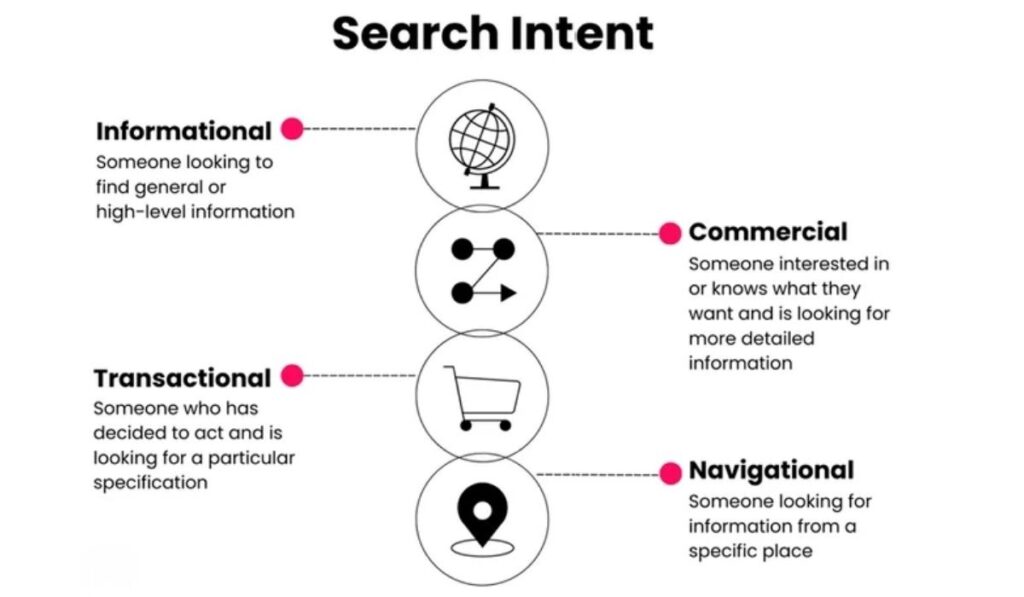
AI SEO tools in 2026 focus less on keywords and more on search intent and experience.
Real-world applications:
- Predicting search intent clusters instead of single keywords
- Identifying content gaps competitors missed
- Optimizing content structure for readability and engagement
- Monitoring ranking volatility and algorithm shifts
What AI does well:
- Data analysis at scale
- Pattern recognition
- SERP trend forecasting
What still needs humans:
- Content strategy
- Topical authority planning
- Brand voice and trust signals
AI improves SEO efficiency—but strategy still drives rankings.
AI in Content Marketing
In 2026, AI will be widely used for content assistance, not full replacement.
Where AI helps:
- Topic ideation based on audience demand
- Content outlines and structure
- Readability and SEO optimization
- Content refresh for older pages
Where AI struggles:
- Original insights
- Brand storytelling
- Emotional connection
- Industry-specific experience
The best-performing brands use a Human + AI collaboration model, where AI speeds up execution and humans ensure quality, accuracy, and trust.
AI in Google Ads & Paid Advertising
AI in Google Ads has matured significantly by 2026.
< smart PPC campaign optimization >
Key uses:
- Smart bidding based on conversion probability
- Automated audience segmentation
- Budget reallocation across campaigns
- Ad copy testing at scale
However, businesses that rely only on AI bidding often face:
- Rising CPCs
- Poor lead quality
- Budget wastage
Why?
Because AI optimizes for signals, not business context.
Human oversight is essential to:
- Define conversion quality
- Control messaging
- Align ads with sales goals
AI in Social Media Marketing
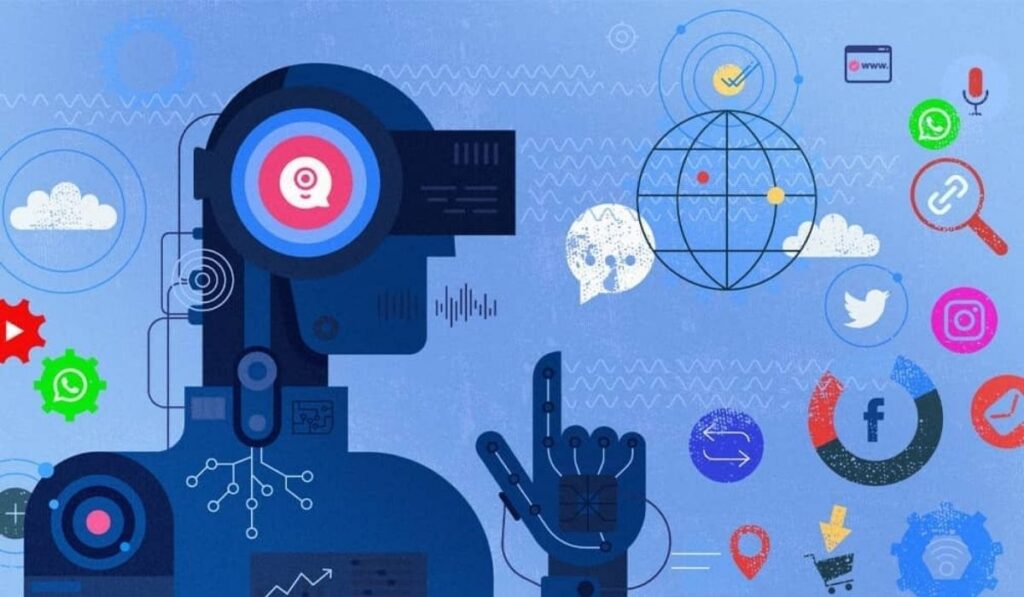
AI helps brands manage social platforms more intelligently.
< AI-powered social media marketing >
Practical applications:
- Best posting time prediction
- Engagement pattern analysis
- Trend detection before virality
- Performance-based content suggestions
AI cannot:
- Build authentic community relationships
- Handle sensitive brand communication
- Replace creative intuition
Successful brands combine AI insights with human creativity and empathy.
AI in Email Marketing & CRM
Email marketing has become smarter—not spammy.
AI-driven improvements:
- Predictive send times
- Dynamic content personalization
- Lead scoring and nurturing
- Churn prediction
Result:
- Higher open rates
- Better engagement
- Improved customer lifetime value
Popular AI Tools Used in Digital Marketing (2026)
Rather than promoting brands, it’s better to understand categories:
AI SEO Tools
- Search intent modeling
- SERP volatility tracking
- Content optimization scoring
AI Content Tools
- Topic research
- Content structuring
- Editorial optimization
AI Ads & Analytics Tools
- Smart bidding engines
- Attribution modeling
- Predictive performance analysis
The tool matters less than how it’s used.
Benefits of Using AI in Digital Marketing
- Time efficiency: Faster execution
- Better ROI: Smarter allocation of budgets
- Improved accuracy: Data-backed decisions
- Scalability: Growth without proportional cost increase
AI allows marketers to focus on strategy instead of spreadsheets.
Limitations & Risks of AI in Marketing
AI is powerful—but not perfect.
Key Risks:
- Over-automation leading to generic messaging
- Low-quality or repetitive content
- Data privacy and compliance concerns
- Loss of brand authenticity
AI lacks:
- Contextual judgment
- Ethical reasoning
- Emotional intelligence
This is why human strategy remains essential.
How Businesses Can Use AI Without Losing Brand Authenticity
- Set clear brand guidelines
- Use AI as a support tool, not a decision-maker
- Review and refine AI-generated outputs
- Prioritize ethical and transparent data use
AI should amplify your brand—not dilute it.
Future of AI in Digital Marketing Beyond 2026
Looking ahead, the future of digital marketing includes:
- Predictive customer journeys
- Voice and visual search optimization
- Hyper-personalized experiences
- AI-driven CRO and UX improvements
But the brands that win will be those who balance technology with trust.
Should You Use AI or Hire a Digital Marketing Agency?
< hire a digital marketing agency >
AI Alone Works When:
- You have in-house expertise
- Campaigns are simple
- Scale is limited
An Agency + AI Works Best When:
- You need strategy, execution, and optimization
- You want consistent growth
- You care about brand, trust, and ROI
AI tools don’t replace experience—they enhance it.
Conclusion
AI in digital marketing is not about replacing humans.
It’s about making smarter decisions, faster.
In 2026, businesses that treat AI as a strategic partner—not a shortcut—will see real growth. Those who rely on automation without understanding will struggle.
AI is a growth enabler.
Strategy, experience, and trust still drive success.
FAQs: AI in Digital Marketing (2026)
1. Is AI replacing digital marketers in 2026?
No. AI supports marketers by handling data and automation, but strategy, creativity, and decision-making still require humans.
2. Can small businesses afford AI marketing tools?
Yes. Many AI tools are now scalable and affordable, especially when used with a clear strategy.
3. Is AI-generated content safe for SEO?
Yes, if reviewed and enhanced by humans. Google values quality, originality, and usefulness—not how content is created.
4. How does AI improve Google Ads performance?
AI optimizes bidding, targeting, and testing, but human oversight is needed to control cost and lead quality.
5. What is the best way to start using AI in digital marketing?
Start small—use AI for insights and optimization, not full automation. Combine it with expert strategy for best results.